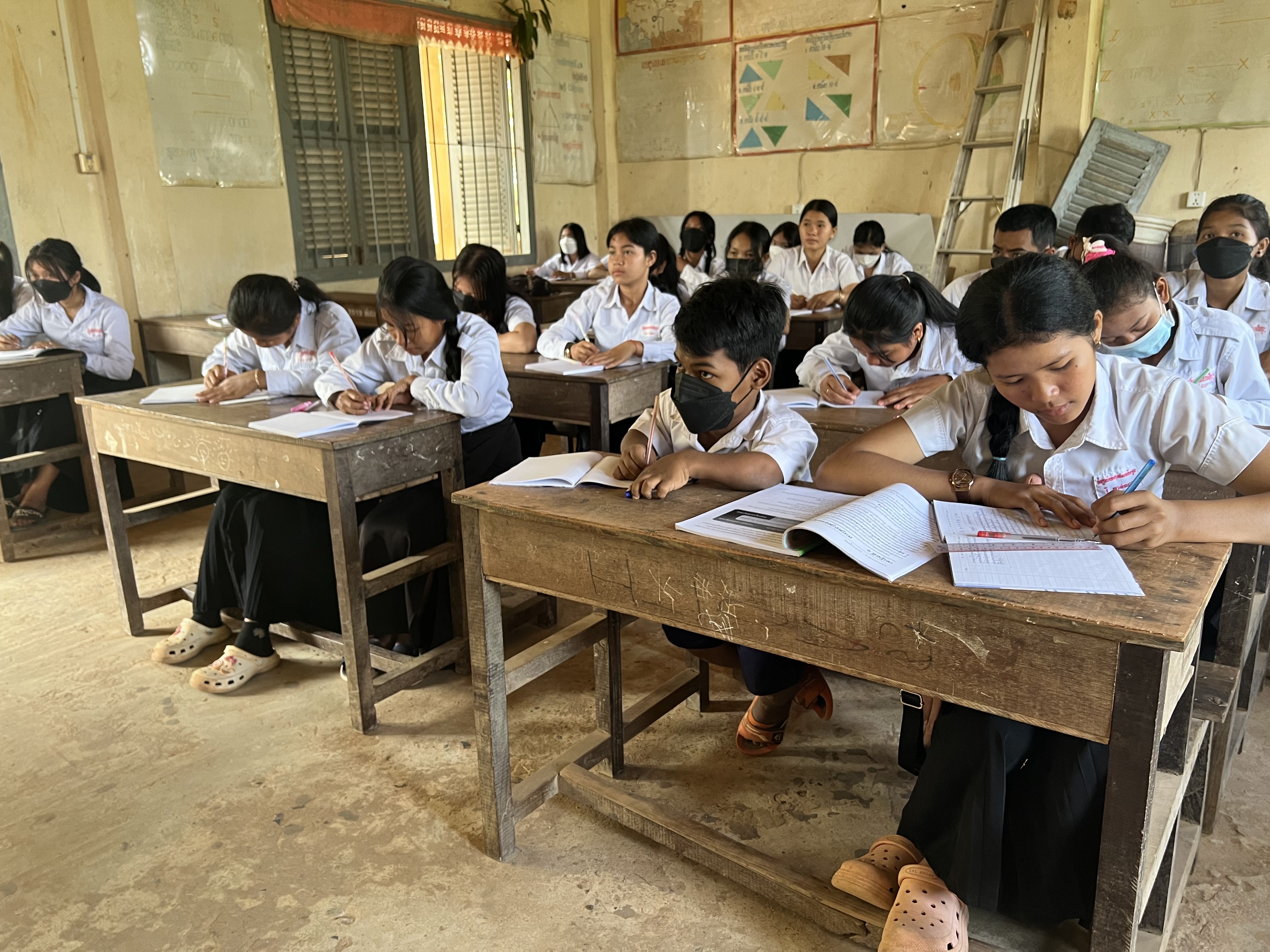
Cambodia is investing in sex education
What?
The integration of Comprehensive Sexuality Education (CSE) into Cambodia’s education system shows amazingly positive results and marks a transformative step towards equipping young people with essential knowledge about their bodies, relationships, and rights. Through a partnership between RFSU, RHAC, and Cambodia’s Ministry of Education, Youth, and Sport, CSE has been incorporated into the national Health Education curriculum. The School Health Department (SHD) played a key role in developing textbooks, lesson plans, and teacher training programs. Cambodia has committed to train over 80 000 teachers and reach over 3,5 million young people, ensuring that students across Cambodia receive fact-based, rights-focused education on sexuality, gender equality, and reproductive health.
Why?
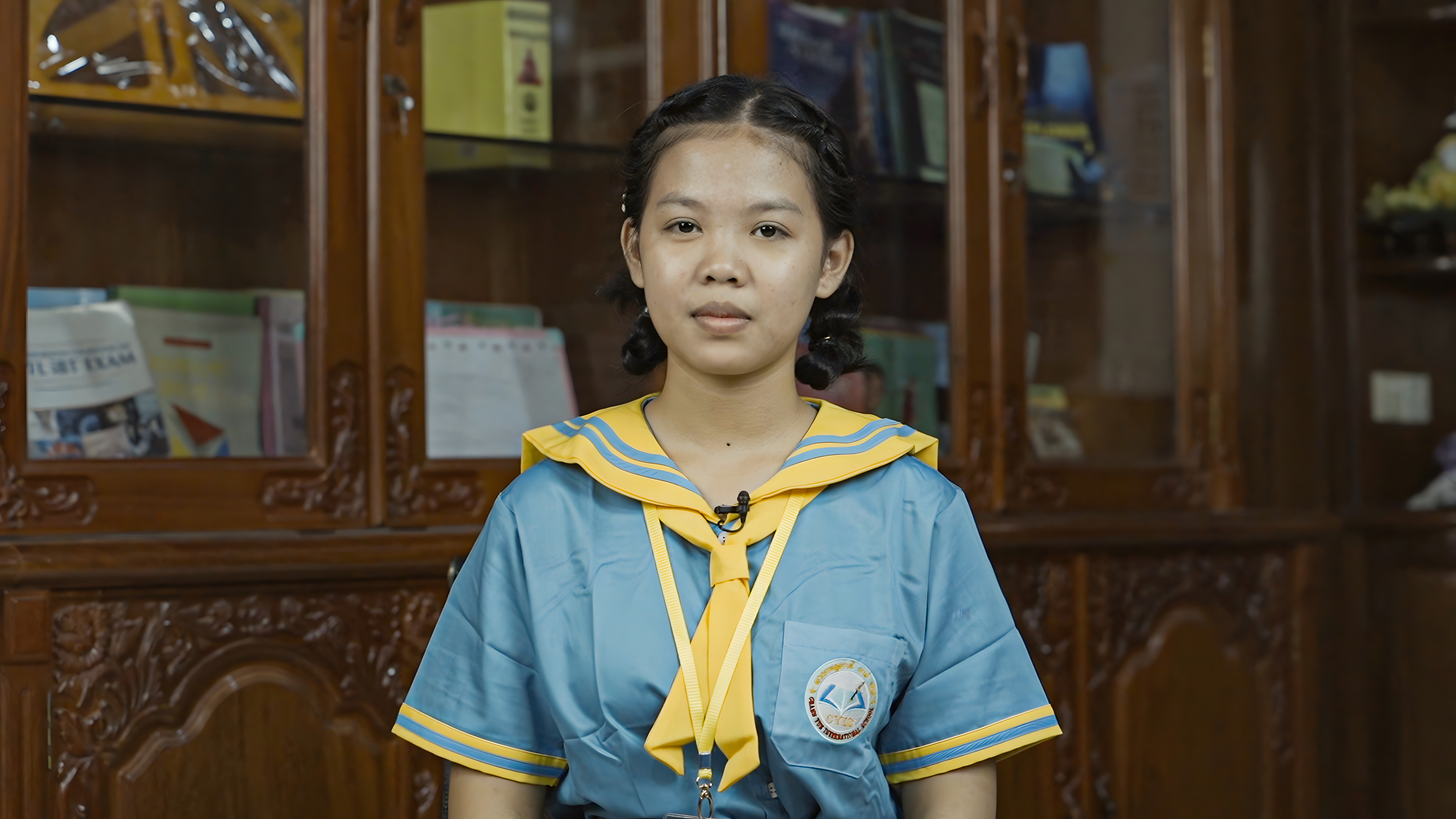
Over the past three decades, CSE in Cambodia has evolved from focusing on HIV prevention to a comprehensive, rights-based approach. Initially limited to biology and abstinence, it now covers gender equality, sexual well-being, pleasure, relationships and violence prevention. CSE also plays a critical role in challenging harmful social norms, reducing stigma around menstruation and puberty, and addressing discrimination against marginalized groups, including LGBTQI+ individuals. By educating young people on these issues, CSE empowers them to make informed choices, thereby reducing gender-based violence and fostering a culture of equality and respect.
How?
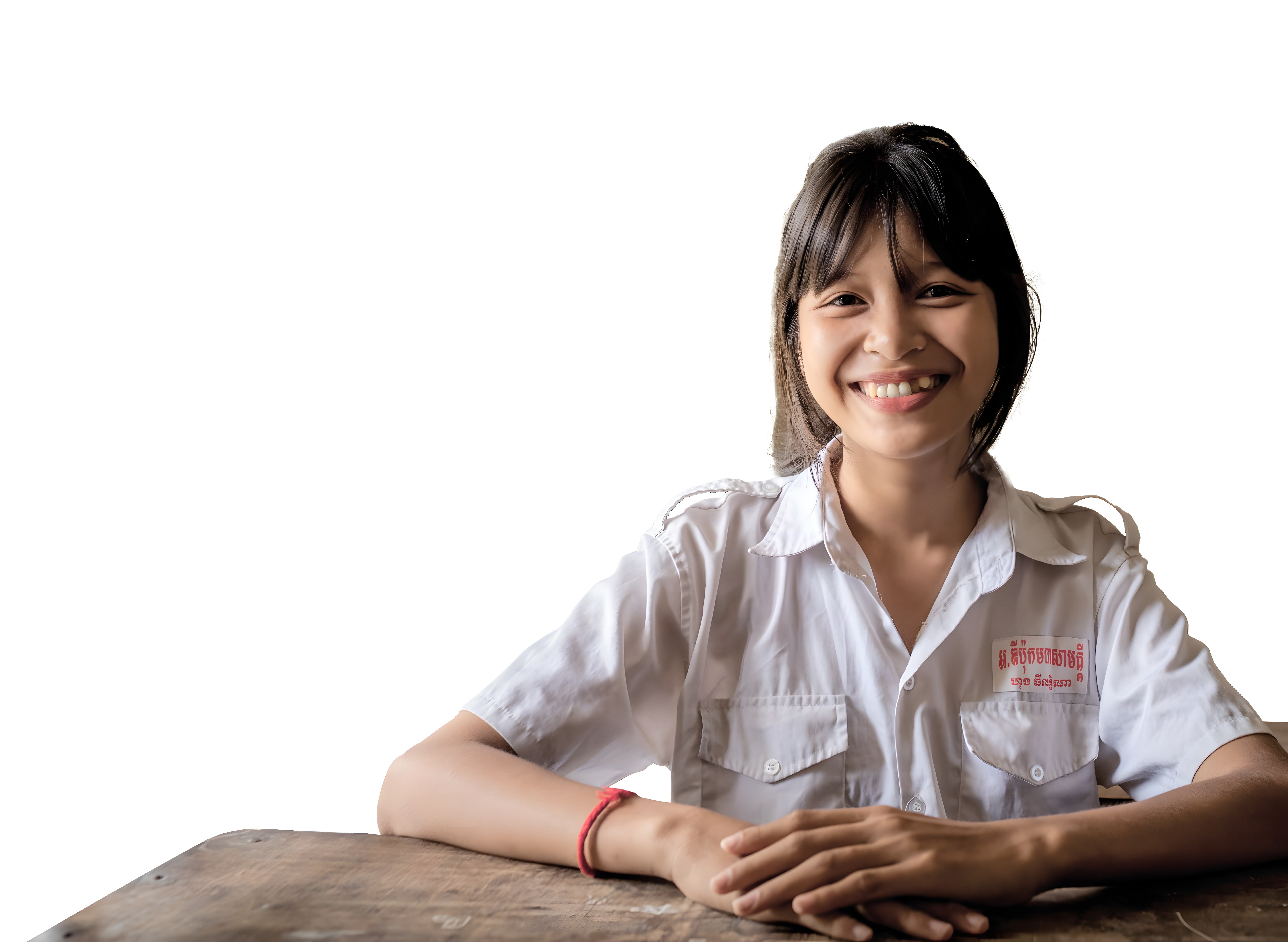
The successful integration of CSE into the Cambodian education system was achieved through a multi-pronged approach that combined curriculum development, teacher training, and public engagement. RHAC played a crucial role in producing educational materials that align with Cambodian cultural and social norms while ensuring the content remains accurate and inclusive. RFSU’s extensive experience in sexual education contributed to making the textbooks youth-friendly and supportive.
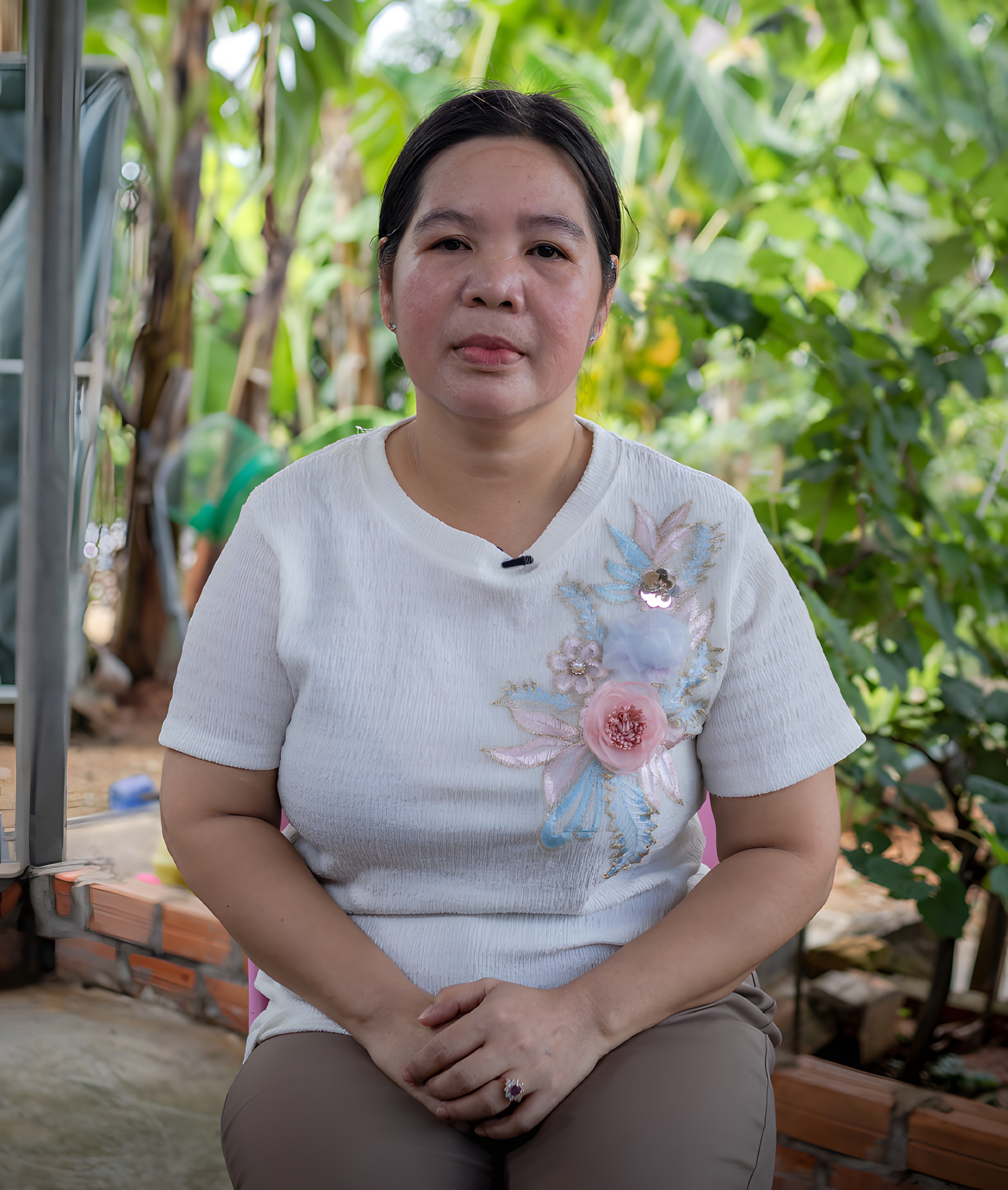
Beyond classroom instruction, RHAC’s Youth Centers serve as safe spaces where young people can ask questions and seek guidance from peer educators. These centers supplement formal education, particularly benefiting girls and young women who may feel uncomfortable discussing sensitive topics with adults. RHAC and RFSU have also developed educational tools such as animated videos to make learning about puberty and bodily development more engaging and accessible.
Furthermore, RFSU-led workshops have helped educators and policymakers refine their approaches to sexuality education, moving beyond outdated anatomy-focused lessons toward a sex-positive perspective. These workshops encourage local stakeholders to reflect on their own biases and explore new ways to normalize discussions about sexual health and well-being.

Watch the organization RHAC's film on the sexuality education initiative here (Youtube).