From resistance to visions – four insights about feminist solidarity
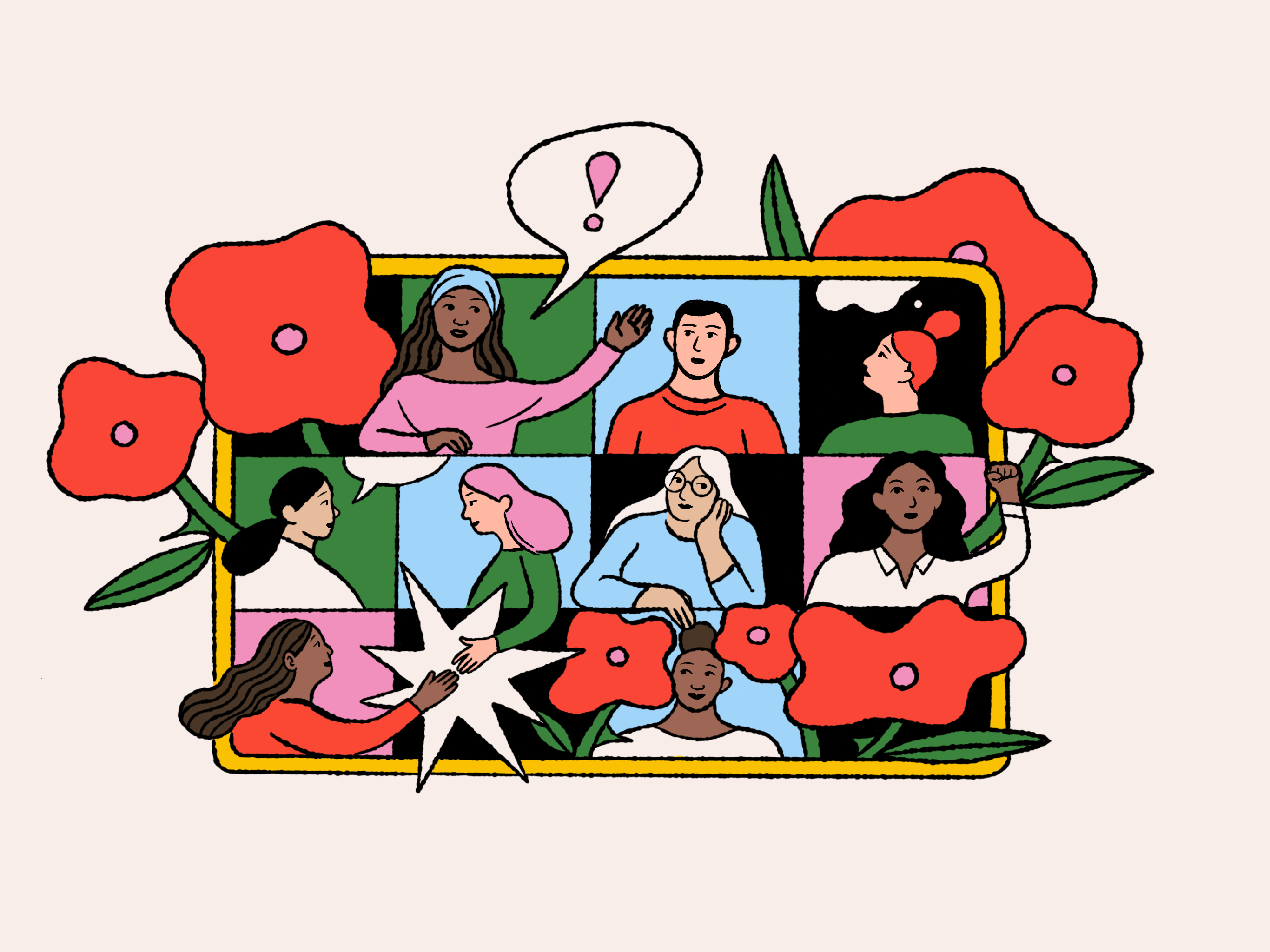
How can feminist movements regain the initiative and formulate visions for the future? That was one of the questions when activists and organizations from different parts of the world met at RFSU's forum Imagining Feminist Futures, 2nd Edition, at the end of October. An important topic of discussion during the forum was how to work intersectionally in practice, that is, how organizations can address different power systems that interact with each other, such as gender, class or and belonging.
Here are four insights from the forum:
Alliances are the key to success
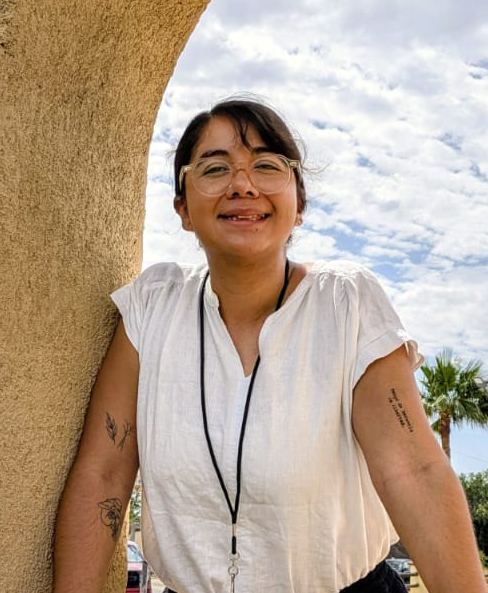
To drive the fight for rights forward, alliances must be built. Paola Fernandez works at the organization Las Libres in Mexico, which has strengthened cooperation between organizations and movements in different geographical areas in Central America.
– Through these collaborations, we have been able to reach out more widely with the work that local support networks for abortion seekers have been doing for many years. We have been able to spread the message that abortion is a right to more people, highlight the work that has been done and give recognition to those who provide support to abortion seekers, says Paola Fernandez.
Resistance is necessary, but not sufficient
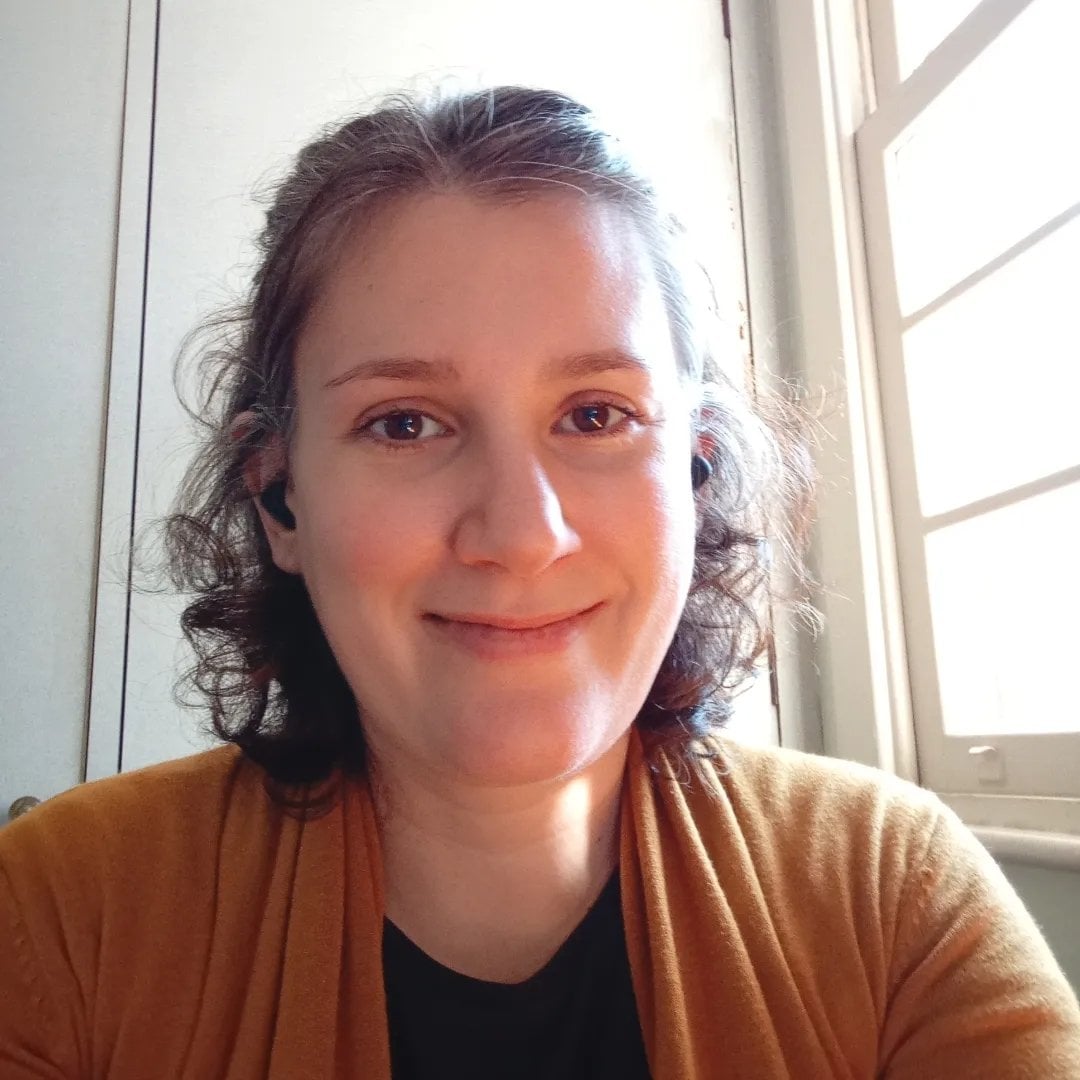
When sexual and reproductive rights are threatened, feminist movements are forced to put more effort into defending previous progress. But they also need to dare to dream and continue to formulate their own visions. The organization Catholics for the Right to Decide in Brazil collaborates with, among others, indigenous movements, black women's organizations and trade unions.
– The fight for reproductive justice that we defend must go hand in hand with the fight for social justice. The right to decide over one's own body cannot be separated from conditions linked to class, race, gender and age, from the defense of land and territories or from women's working conditions and the conditions of care work. What we are achieving together is about more than defending already won rights. It is about jointly formulating a vision for a democratic, secular and pluralistic society built on care, says Carla Angelini at Catholics for the Right to Decide.
Power and resources within civil society need to be scrutinized
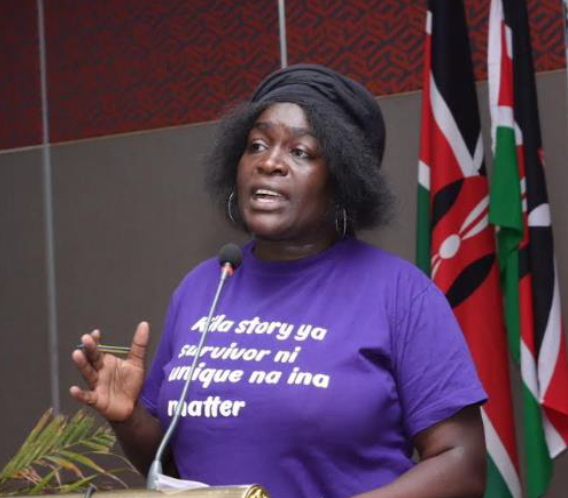
Collaborating with other organizations can bring both power imbalances and different opinions on what should be done. But we still have to try, emphasized Dr. Sohela Nazneen at the Institute of Development Studies, UK.
– When we build intersectional movements, we need to reflect on how we address our differences and how we share resources. Not only in terms of money but also in terms of knowledge and decision-making power. Dealing with differences can be uncomfortable but we will have to try to build solidarity, said Dr Sohela Nazneen.

Care and trust build solidarity
Solidarity can be built through joint campaigns and political demands, but a prerequisite is also long-term relationships. Offering support when activists are subjected to oppression and creating space for recovery is also part of feminist work. Editar Ochieng from the Kenyan organization Feminist for Peace, Rights and Justice Center FPRJC has been involved in building several alliances, including the WILD Feminists Network.
– The network was formed because many feminist activists and organisations were facing violence, burnout, limited resources, and institutional challenges while working in isolation.
Through this alliance, we have created spaces for collective healing, mental wellness, leadership development, organisational strengthening, and joint advocacy, said Editar Ochieng.
About Imagining Feminist Futures:
The online forum Imagining Feminist Futures brought together over 100 activists from around the world for two full days on October 21-22. RFSU, together with partner organizations, organized the forum for the second year in a row, with the aim of allowing feminists to discuss and share experiences about both difficulties and hopes and ways forward.