What keeps you going when rights are under threat?
More than 150 men had gathered that day, Editar says. Watching the video, she could see how angry they were. They accused her of promoting immorality by defending queer people’s rights and of breaking up families through her work against sexual and gender-based violence.
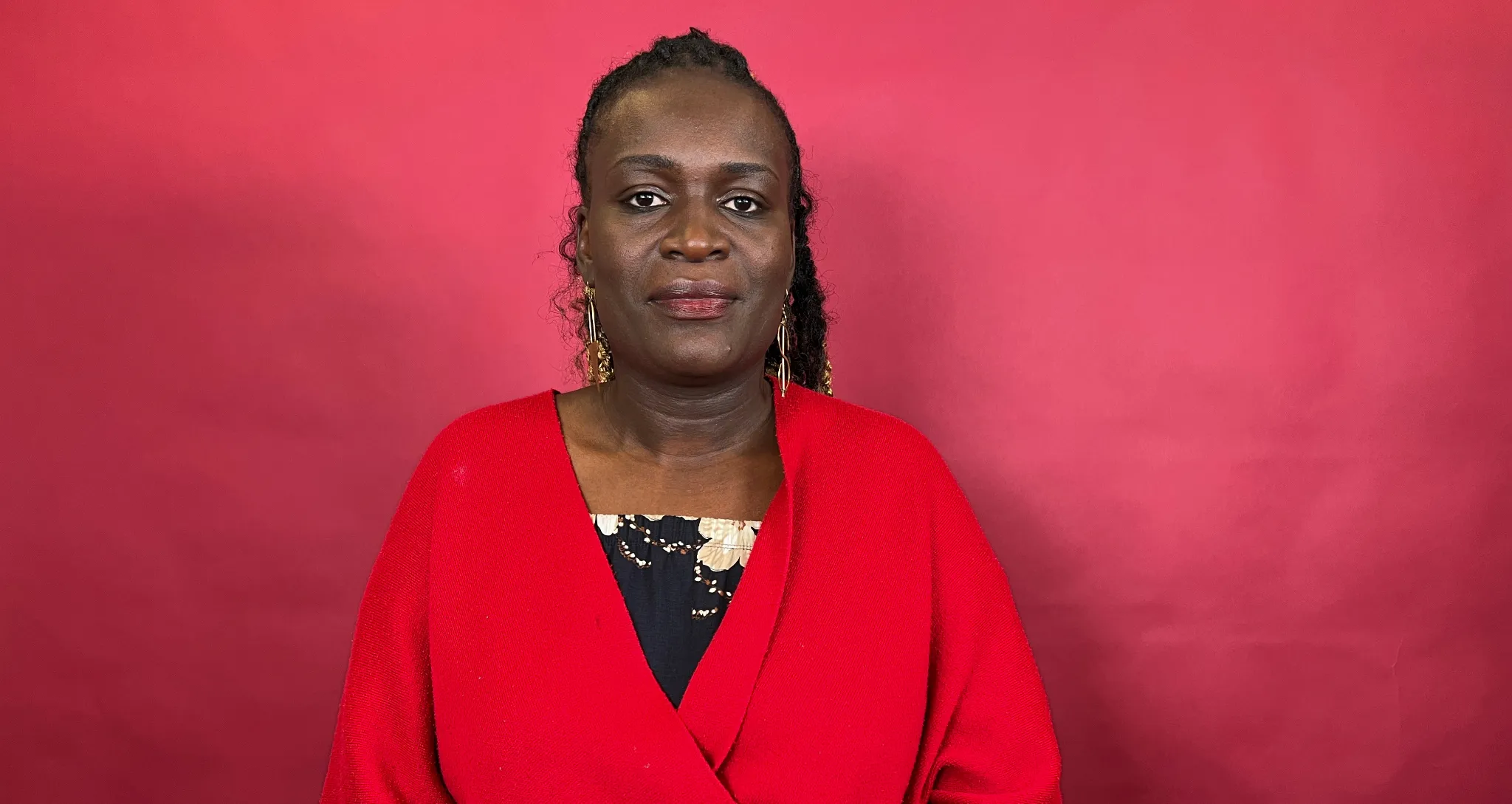
“It was really difficult. But I said to myself, I was not going to run away from my community because this is where I grew up and belong.”
Editar works at the Feminists for Peace, Rights and Justice Center in Kibera, an informal settlement in Nairobi. With support from RFSU, her organisation has built a local network for people working on sexual and reproductive health and rights (SRHR). Safety is a recurring concern. Editar has seen how an attack on one activist can silence several others. So when a colleague attended a security training course, she shared what she had learned with others in the community.
“We have CCTV at our office. For us that’s a big deal because we are always targeted. As somebody who has been on the front line, I need to make sure all the time that I can stay safe in my activism.”
When schools say yes, on one condition
For Mavis Aryee of Curious Minds in Ghana, a classroom visit can involve negotiations long before she meets the students. Sometimes the education authorities or district officials tell her and her colleagues they can talk about whatever they like, as long as they don’t mention contraception. The message students are supposed to hear is about abstinence.
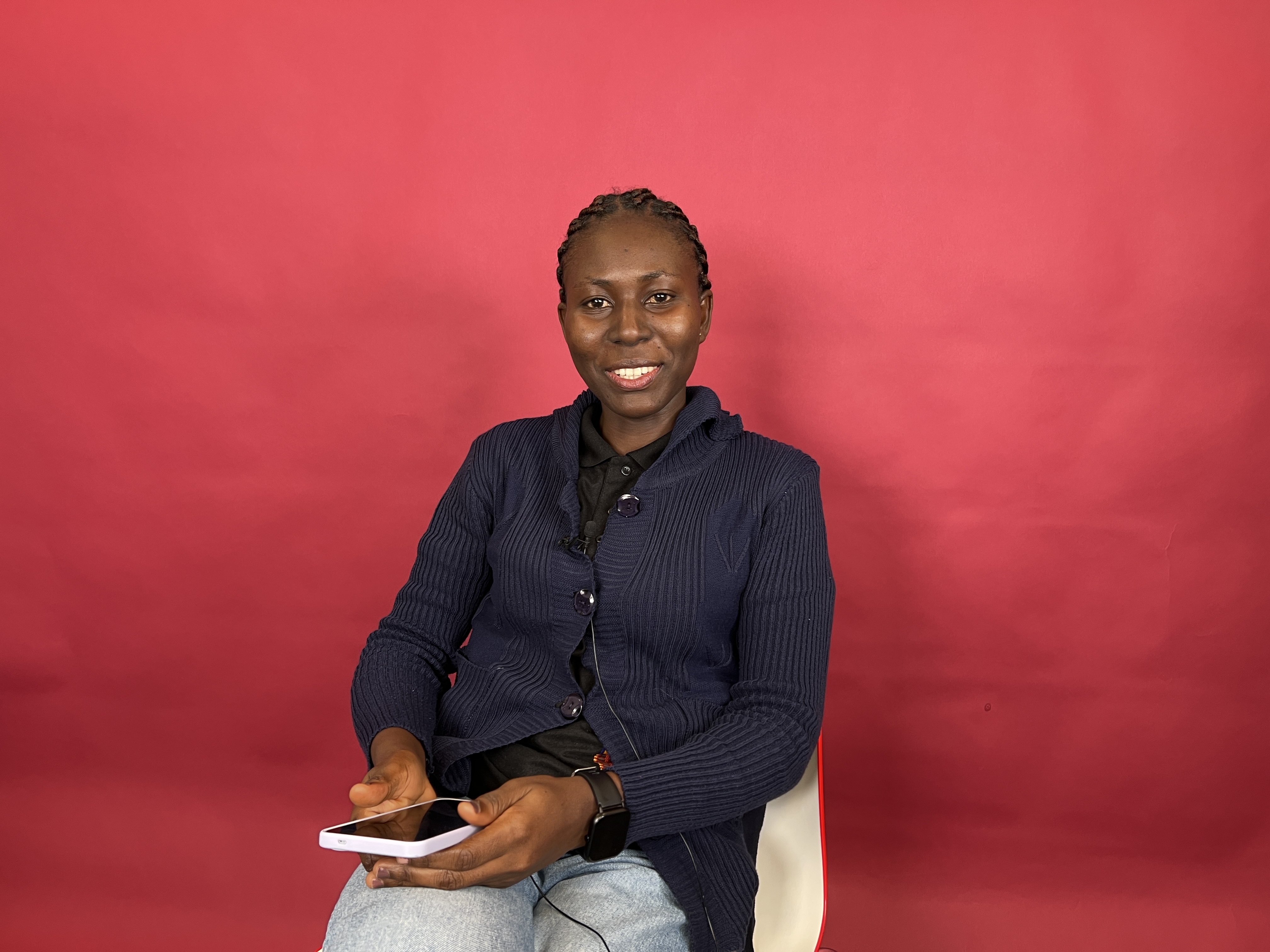
When that happens, Curious Minds invites representatives from the Ghana Health Service to join the conversation. They can tell school authorities what they see in their work, including the fact that some students are already having sex.
“Why don’t you open the platform for these young people to get the information they need so they can protect themselves?” says Mavis, describing the case they make to the schools.
That is one experience Mavis can share with other LA4C members. Before joining the network, she knew few of RFSU’s partner organisations in other countries. Now she knows more about the issues they work on and who she can turn to when Curious Minds is planning something new.
An idea to take home to Bolivia
Editar and Mavis are two of the network’s six steering committee members. Another member who attended the November meeting in Stockholm was Andrea Pastén Valdez of Católicas por el Derecho a Decidir in Bolivia. One of the causes Andrea and her organisation work on at home is the decriminalisation of abortion.
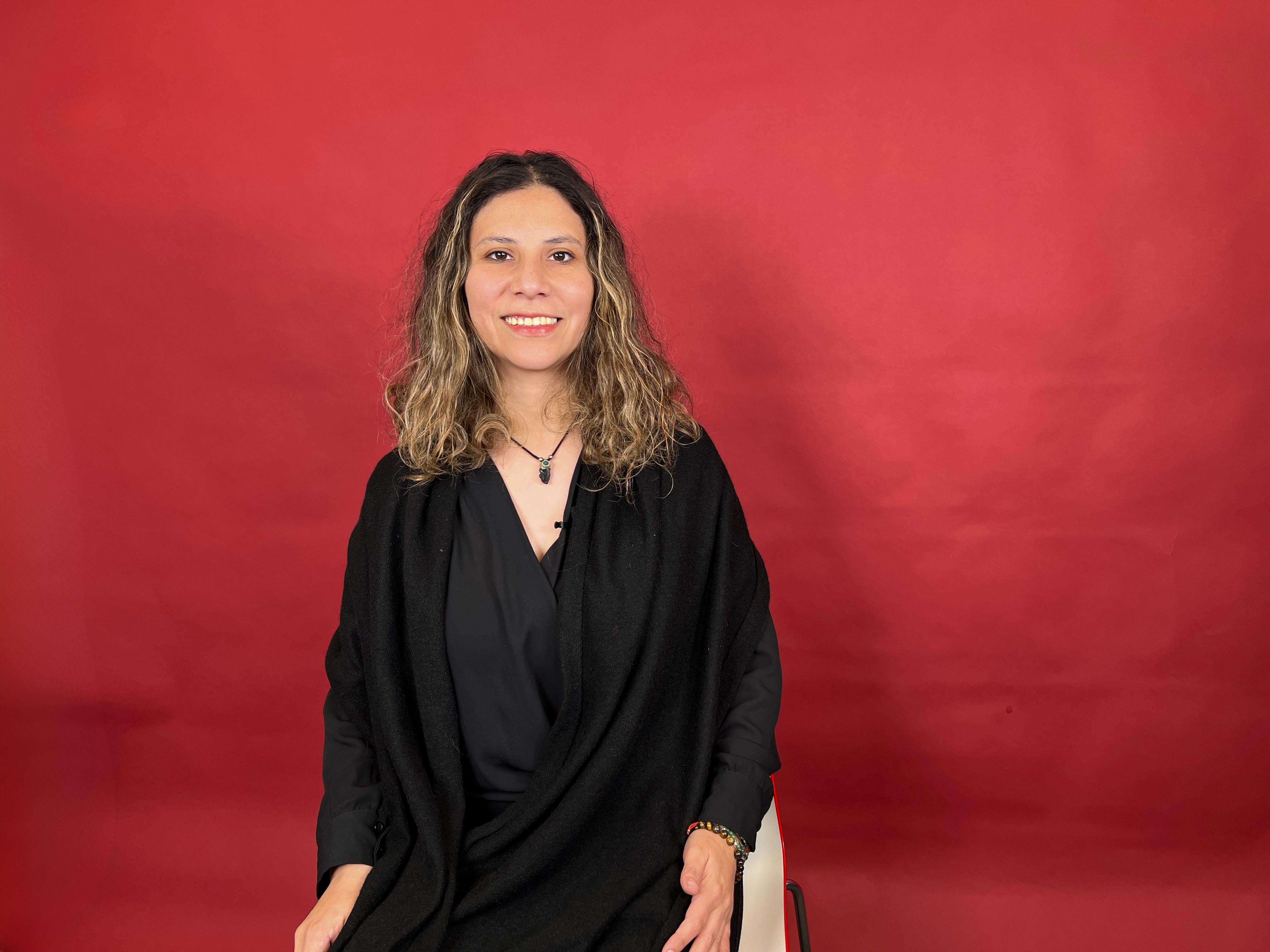
“It’s one of our main causes. We want to change the law on abortion, and we also want to change how people think. We talk about ‘decriminalising our consciences’. The way we communicate matters because it can challenge conservative narratives and change the way people think.”
For Andrea, there is value in the meeting itself. In Bolivia, she says, people sometimes talk as though rights have already been secured because the laws are in place. She thinks especially of girls in remote communities who still struggle to make decisions about their own bodies. It means something to sit down with a colleague from another part of the world who recognises that gap between a right on paper and being able to exercise it, and who knows what it feels like to see hard-won rights called into question again.
“Not feeling alone is a goal in itself. It matters to me that these networks become networks of hope, where the joy we share helps us keep going,” says Andrea.
What happens after Stockholm?
For Editar, one reason to travel from Kibera to Stockholm is to have time to sit down with colleagues from other countries and discover which challenges they share. The next question, she says, is what they can do about them together. In 2027, she wants the network’s member organisations to help put those discussions into practice.
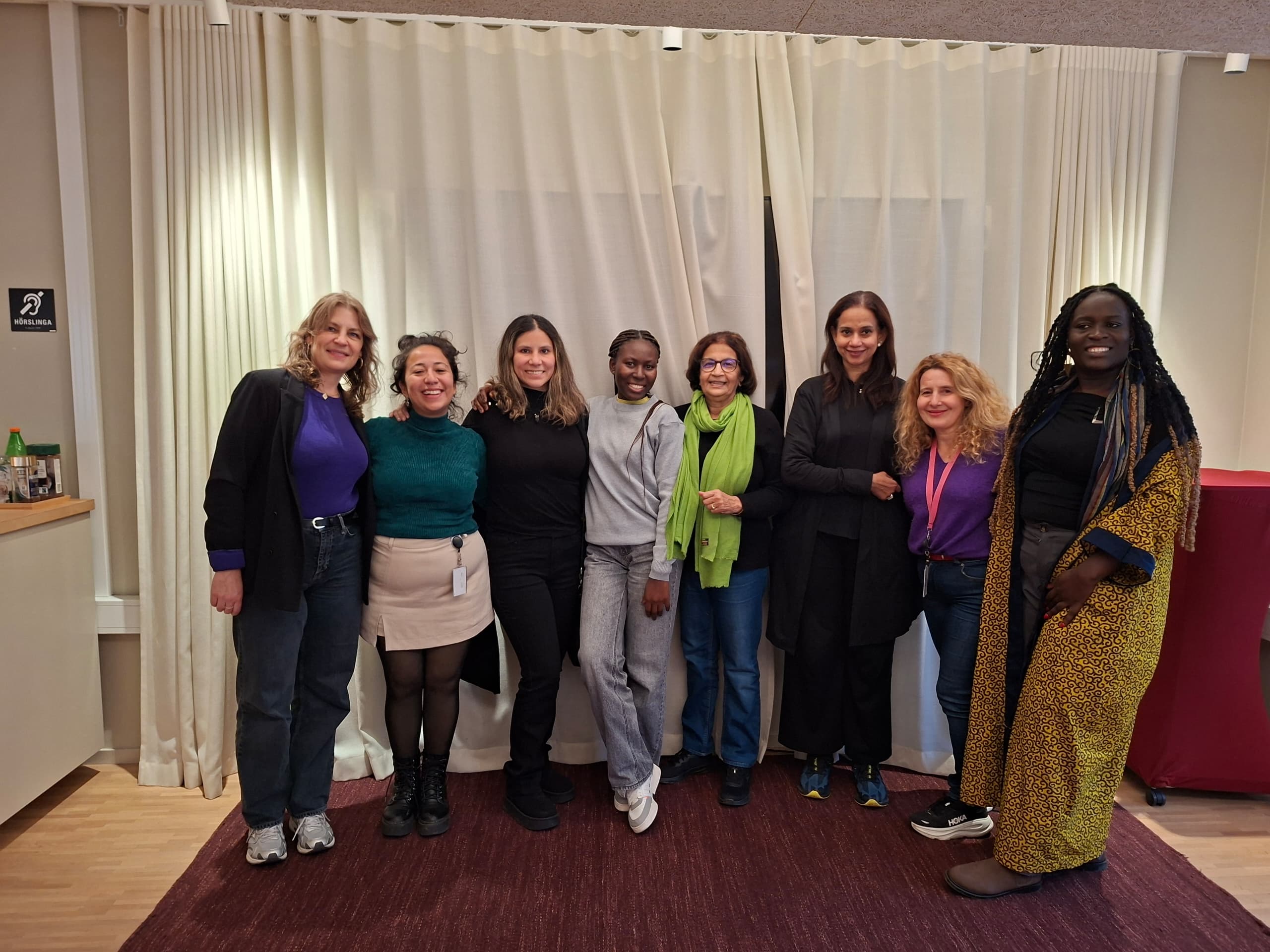
In Stockholm, the steering committee agreed on three priorities for the network:
- strengthening care, safety and security for activists
- amplifying voices that champion sexual and reproductive health and rights,
- helping organisations sustain their work as funding conditions change.
Partner organisations will be able to apply for small seed grants to develop resources or bring people together to learn from one another. The network also plans to offer online learning on topics including care, climate and intersectionality, and to organise dialogues across countries and regions. It will also explore whether social enterprise could offer some partners an additional source of income.
More RFSU partners will be invited to join the network, and a monthly newsletter will share opportunities, upcoming events, resources and calls to action.
Text: Ulrika Hammar