
Healing in the Midst of Struggle
How Kenyan feminists are creating space for recovery and resilience.
In Nairobi, Kenya, Nancy Baraza works for Zamara Foundation, one of RFSU’s partner organisations. Like many feminist activists around the world, she has experienced how exhausting and dangerous it can be to fight for sexual and reproductive health and rights (SRHR) in an increasingly hostile environment. When violence rises, anti-rights movements grow louder, and new laws restrict access to contraception and menstrual products — how do activists keep going? For Zamara Foundation, the answer was simple, but powerful: healing together.
“We realised that we feminists need each other”
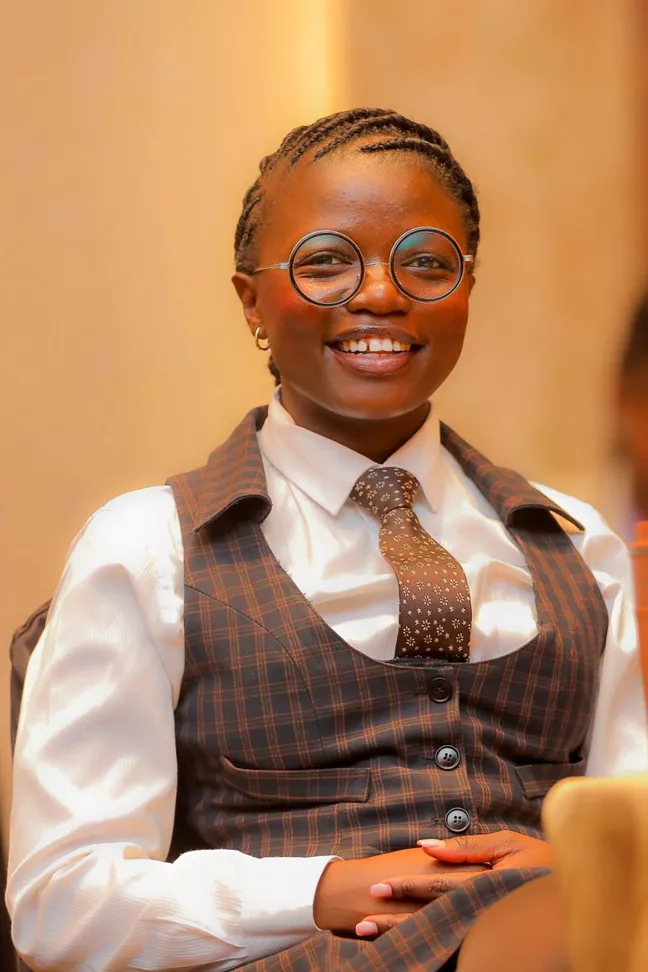
Nancy Baraza is a Program Associate at Zamara Foundation, where she leads the implementation of RFSU-supported projects.
“We’re a small team, which means we’re directly exposed to the risks of our work,” she explains. “There’s no middle person — it’s just us, every day, on the front line.”
In 2024, Kenya saw a surge in femicide, an expanding anti-rights movement, and a finance law that made sanitary products and family planning harder to access. Then came the floods, forcing people to relocate their homes and offices.
“We were being attacked from all corners,” says Nancy. “It was extremely difficult for activists and feminists to even stay afloat. We realised we couldn’t fix everything — but we could hold each other in solidarity.”
That’s how the Healing Festival was born.
The first Healing Festival
In late 2024, around 50 feminists from across Kenya gathered for two days in Machakos County. The event was organised by Zamara Foundation together with Feminists in Kenya and Usikimye, an organisation working to end gender-based violence.
“The healer guided us through breathing exercises and reflections on what the year had been like — personally and as activists,” Nancy recalls. “We used oils and herbs, massaging them into our hands and backs while sharing our stories. Many of us cried. It felt healing to be touched, to be heard, to feel safe.”
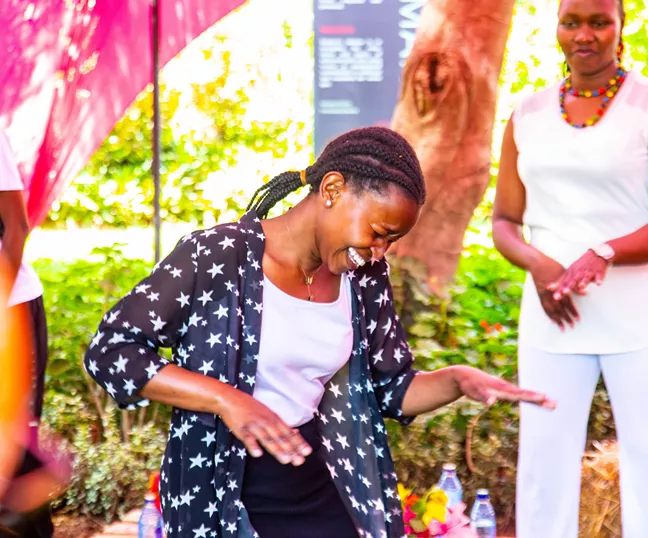
They also talked about “saboteurs” — internal and external things that undermine wellbeing — and how to protect joy before returning to activist spaces. And then, of course, they danced.
“Dancing, shaking your body, especially your hips — it releases something. You laugh, sweat and feel alive. We even had a trampoline! Just jumping and feeling your body come alive again was healing.”
Building solidarity through care
Many participants shared experiences of isolation and exhaustion. Some had lost friends or family because of their activism or identity; others struggled to maintain relationships amid constant stress.
“People talked about feeling unlovable or unavailable,” says Nancy. “Queer activists spoke about harassment and violence in their own communities. During the floods, some opened their homes to others, leading to overcrowding and tension. Even among feminists, relationships were strained. We needed space to breathe and release.”
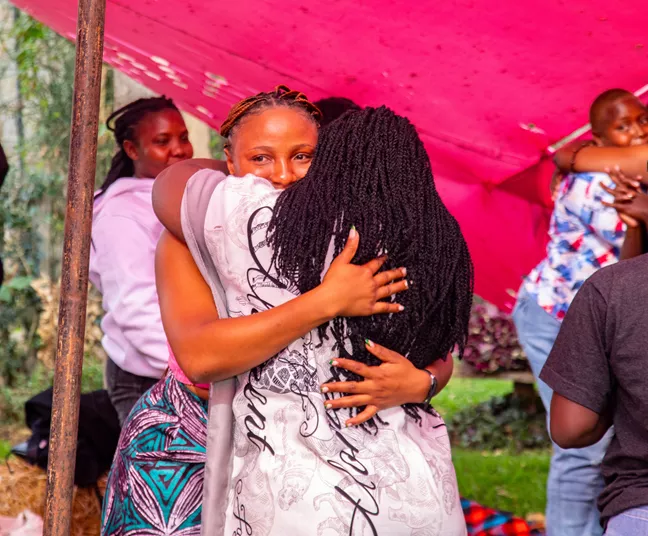
A simple but powerful ritual became part of the festival: hugging.
“We hugged each other for fifteen minutes. After sharing and crying, being held like that is very powerful. You feel seen, supported, loved. It’s an uncapitalist form of therapy — just human connection.”
Continuing the work In 2025, the Healing Festival returned — this time with 30 young feminists. The backdrop was no easier: far-right movements held a Pan-African Conference on Family Values, spreading anti-rights rhetoric online, while new laws threatened access to contraception by raising the consent age from 18 to 21.
“It creates deep anger and helplessness,” Nancy admits. “We’re activists, not lawmakers — there’s only so much we can do. But we keep going. The Healing Festival helps us remember why.”
She hopes that Zamara Foundation will continue the festival annually, with support from partners if resources allow.
“Participants leave feeling inspired to keep doing the work. The challenges remain, but they know they’re not alone. Even for us organisers, though it’s exhausting to hold space for others, it still gives us strength.”
Text: Ulrika Hammar
Photo: Luma Media